目次
・名古屋走り?交通事故が多い愛知県で交通事故被害にあったら
・交通事故予防 相手が悪くても注意しなければならないポイント
・交通事故の休業損害について
・電車と車の踏切事故の損害賠償について
・ひき逃げされたけど犯人が特定できない場合
・名古屋で相談できる交通事故に詳しい弁護士
名古屋走り?交通事故が多い愛知県で交通事故被害にあったら
愛知県は交通死亡事故が多いことが知られています。また、名古屋走りではなくても、もちろん自然が原因で交通事故が起きることも多いです。例えば、冬に雪の影響などで交通事故が起きることも多いでしょう。そこでここでは交通事故にならないための積雪時の車間距離を考えます。

冬は積雪や路面の凍結により、交通事故の発生件数が最も多くなる季節です。雪道や凍結した道路では乾燥した道路と同じように運転することはできません。冬の運転は普段の運転以上に注意が必要です。雪が積もった道路・凍った道路では車は急に止まることはできません。雪が積もった路面で車が停止するためには、乾燥した舗装道路の3倍以上の距離が必要です。時速40kmで走行した場合、乾燥した道路ではブレーキをかけてから停止するまでに22m進みますが、積雪路面では66m進まなければ停止することができません。さらに凍結した道路では6倍以上の距離が必要です。
事故にあわないために、積雪道路では車間距離を普段の3倍以上・凍結した道路では普段の6倍以上取りましょう。車間距離確認の標識を利用するか、標識がない場合は白線や電信柱を目印にして車間距離を十分に確認しましょう。スピードの出しすぎは厳禁です。数台前の車の動きにも気を配って、いざという時も対応ができるよう十分な車間距離を取って運転してください。停止するときは確実に停止位置で止まるため、後続車との車間距離を保つために普段よりも早めに減速しましょう。発車時もゆっくりとアクセルを踏み、徐々にスピードを上げることが大切です。
雪道や凍結した道を安全に運転するためには、普段よりもスピードを落として適切な車間距離を保つことが必要です。スピードを出さなくても済むように早めの行動を心がけ、余裕を持った運転を行いましょう。
交通事故予防 相手が悪くても注意しなければならないポイント
交通事故が起きてしまう原因は、自分だけではなく相手が原因の場合でも起きることがあります。いくら相手が原因だったとしても事故に巻き込まれてしまうようなことになれば、生活が一変してしまうことになるでしょう。ケガをすれば通院をしなくてはなりませんし、後遺症が残るようなことになれば、一生の問題になってきます。事故は自分が悪くなく相手が悪くてもあいたくないものですので、注意しておくようにしましょう。相手が悪くて事故が起きるよくある例としては、信号無視の車・歩行者が原因になる場合があります。
自分のほうが青だったとしても、相手が赤信号の時に渡ってくるようでは事故になってしまいます。信号無視の車や歩行者がいるかもしれないと考えて、走行をする湯尾にしなくてはなりません。そして前方に挙動が怪しい車がいる場合にはどうすればいいでしょうか。挙動が怪しい車は車間距離を長めにとって走行をするようにしましょう。もしかすると飲酒運転をしているのかもしれませんし、単に道に迷っているだけなのかもしれません。そういった挙動が怪しい車は、急停車をしたり、急に車線を変更して着たりするようなこともありますので、とても危険です。
ある程度車間距離を長めにとっておくようにすれば、急なことにも対応をしやすくなりますので、車間距離を十分にとってそうこうしておきましょう。
事故は相手の行動を予測することでも防いでいくことが出来ますので、巻き込まれないようにしなくてはなりません。
交通事故の休業損害について
不運にも交通事故に見舞われたのですが、状況次第によっては仕事を休んで治療に専念しなくてはなりません。その時に役立つのが休業損害です。自賠責では原則として休業損害が5700円となっていますが、裁判基準になると金額にも差が出てきます。
何故かというと裁判基準では一日の基礎収入に実質的に休んだ日数をかけたものが休業損害となるからで、基礎収入をどのように決めるかで論争になることも少なくないからです。また自賠責よりも高額になるケースが多いので、しっかりと休業損害を受け取りたい人は裁判基準を重視する傾向があります。その裁判基準の休業損害では、一般的に交通事故に遭遇する前の三か月分の収入をもとにして計算し、一日相当の基礎収入が決まります。休業損害を使用する側の勤務先に休業損害証明書を作成してもらい、その休業損害証明書の数字が妥当であると裏付けるために前年の源泉徴収票の提出が必要です。つまり前年の源泉徴収票によって証明されるので、休業損害を多く請求するといった行為は困難です。裏付けが足りないと判断された場合は、会社側に賃金台帳の提出を要請する場合もあります。
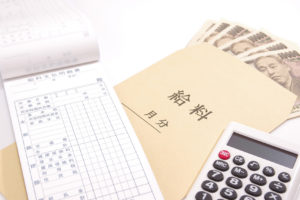
一方で被害を受けた側が会社勤めではなく自営業だった場合は、会社側から発行される前年の源泉徴収票はありません。その場合は前年の源泉徴収票のかわりとして、課税証明書や確定申告書などを提出する必要が出てきます。また任意保険会社との交渉で休業損害を受け取る場合は、任意保険会社が独自に決めた計算式で金額が決まるケースも存在するので注意が必要です。どちらにしてもdのような書類が必要になるかは休業損害の話が出た時点で、相手側や自身の弁護士や保険会社の代理人が指示してくるのが一般的なので、それに従って書類を用意すれば問題ないでしょう。
電車と車の踏切事故の損害賠償について
名鉄名古屋駅でスマホを見ていたのですが、電車に関連するニュースとして、電車に電車と車の接触事故のニュースは毎日のように流れます。損害賠償ですが基本的に電車をとめてしまうと時間分の損害額が発生します。ただ、都心部と地方では異なります。都心部は1つの踏切で複数の路線や鉄道会社が利用している場合があるので、関係ない所まで損害が発生します。簡単に言うと事故の発生から復帰までを損害額と考えると良いです。
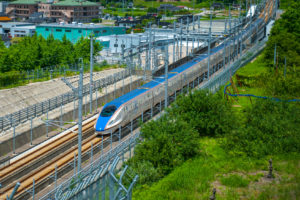
電車をとめてしまうと、余程の理由でないと損害賠償の請求は発生します。電車と接触した事故の場合はその車両の修理代も請求の対象になります。電車をとめてしまうと他の鉄道会社に振り替え輸送が発生したい、系列や地元のバス会社に代行バスが発生する場合もするので、ここも保障する場合もあります。
一応、踏切で電車をとめてしまうと億単位の損害賠償が発生します。ただ鉄道会社も保険に入っているので、その保険を鉄道会社が利用してるので場合によって減額される場合がありますが、イヤホンで音楽を聴いていたとかスマートフォンを触っていたなどの過失割合は鉄道会社が0になるので、ご遠慮なく賠償額が請求されることもありますし鉄道会社が裁判を起こす事があります。実際に裁判所も賠償金額の全額を認めた判例もあります。場合によって踏切内でトラブルが発生する場合がありますので、停止ボタンを押すなどの事故対策をすると本人と過失割合が変わるので、そうなった場合はまず対策することでする。電車をとめてしまうと損しかありません。
ひき逃げされたけど犯人が特定できない場合
車と接触しても相手が事故処理などもせずに逃げた場合も警察には通報しておく必要はあります。ひき逃げは犯罪なので多少は自分にも過失があっても警察は被害者として認める場合ことが可能です。ですが相手の特定が出来ない場合は自らの保険を使うことになるので気をつけて下さい。

保険でも急遽の3割負担はきついと思いますが、相手が特定されると治療費などは返還されることも多いです。自動車ですので相手が加入している保険代理店と交渉することになりますが、怪我の状況を見るだけの場合もあるので、病院や薬局で発行された明細書は必要になります。最初に病院に行った時は受付で理由を言うと先生に診断書を書いて頂けるので、それも無くさずに持っておいたほうが方がいいです。
自らの保険を使うことになる場合は毎月の支払いしている保険会社に事情を話しておくと手続きが簡単になりますし、相手が見つかった場合も自分の保険代理店が代わって、相手の代理店と話し合いをして頂けます。この場合は最初に詳しく説明することが大切で、相手が無保険だった場合も保険代理店が交渉して貰えるので任せておけば大丈夫です。このように国保などを利用する場合と保険会社の保険を使う場合があります。ただ、保険会社の事故認定後の医療費の支払いまでには時間が必要となるので注意が必要です。国保のどの場合は負担が痛いと思うので、インターネット型でも安い生命保険などに加入しておくと便利です。インターネット型の場合は掛け捨てが多いです。
名古屋で相談できる交通事故に詳しい弁護士
名古屋で交通事故被害に遭って怪我をして、市内の病院などで治療をしても完治せず、後遺障害が残った場合は、かなり多くのケースで弁護士に相談した方が良いと言われています。
それは弁護士に相談しないと加害者が正当な金額を示談の際に提示してこないからです。しかし交通事故被害にあうのは一生のうち一度くらいでしょうから多くの被害者は自分が著しく不利な金額の示談提示を受けているということを知らないことが多いです。
交通事故被害者にとって弁護士に相談することはとても敷居が高いかもしれませんが、以下の名古屋の交通事故被害者側専門弁護士は、経験が非常に豊富なのに気さくで人柄が大変良い弁護士が無料相談に応じてくれます。
気軽に無料相談を依頼してみましょう。現状確認ができるだけでも有益で、依頼は実際に弁護士にあって話を聞いてから判断をすれば良く、無料相談を利用したからといって必ず依頼しなければいけないということはありません。
なぜ弁護士に相談して交通事故加害者との示談交渉を依頼すると慰謝料や逸失利益などの賠償金が大幅に上がるのかと言うと、本当はその金額を被害者は受け取るべきなのですが裁判をしない限りなかなか加害者の保険会社が出さないことにしているからです。保険会社は営利企業ですのである意味当然の結果なのですが、テレビCMを流すなどで大手で安心の信頼できる企業だというイメージ作りをしているせいか、被害者はあまり加害者の保険会社を疑ったりしませんよね。そのためこのような現状が続いているのではないでしょうか。